Case Study Spaces

The home is no longer a fixed configuration, but a system that evolves with those who live in it: functions shift, rhythms are redefined, and the boundaries between work, relationships, and private life become increasingly fluid.

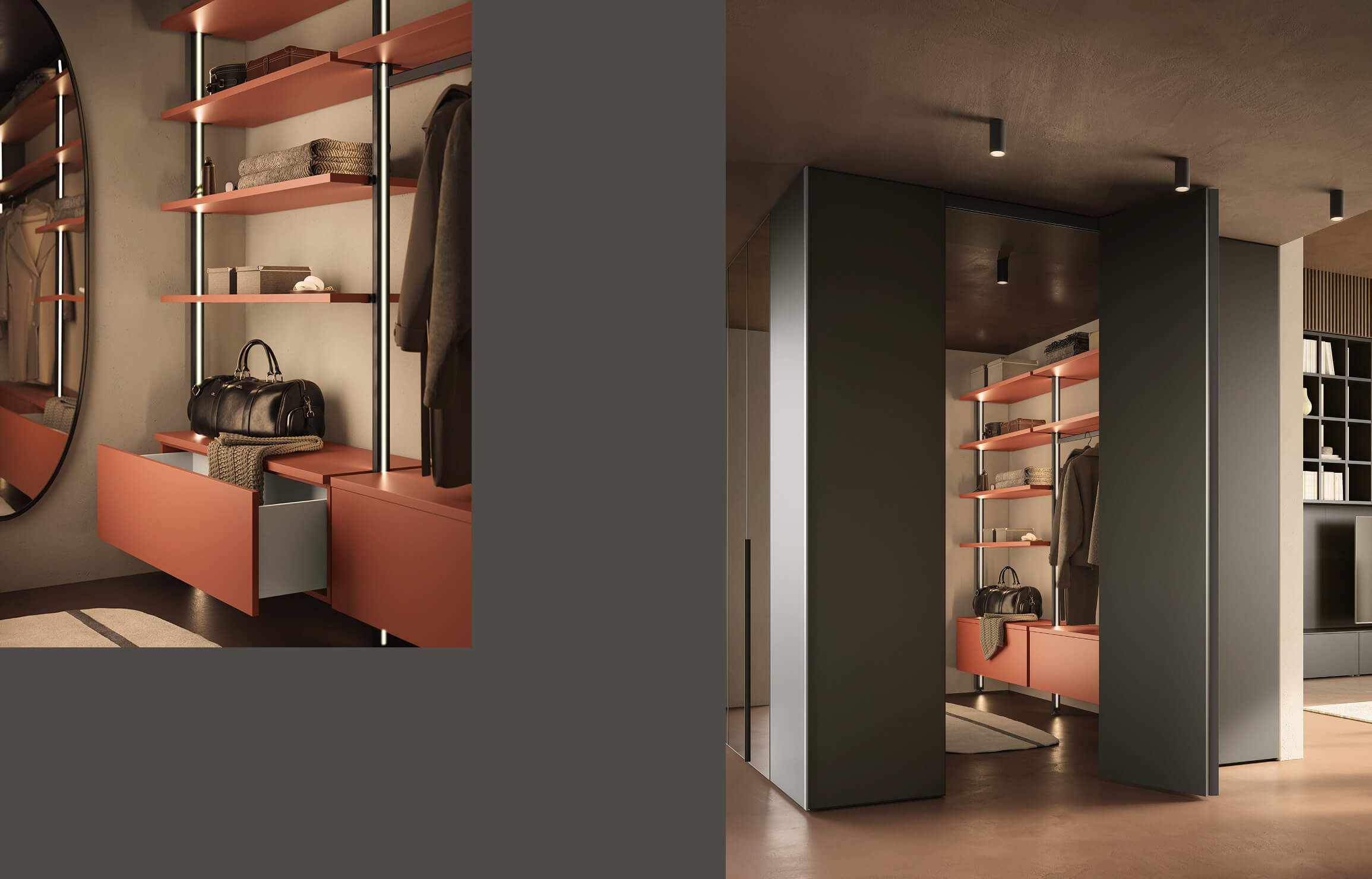
In this context, interior design builds structures that can adapt and endure over time. Case Study Spaces emerges from this awareness: a design device that interprets contemporary living through concrete scenarios, where Zalf systems connect space, functions, and ways of use.

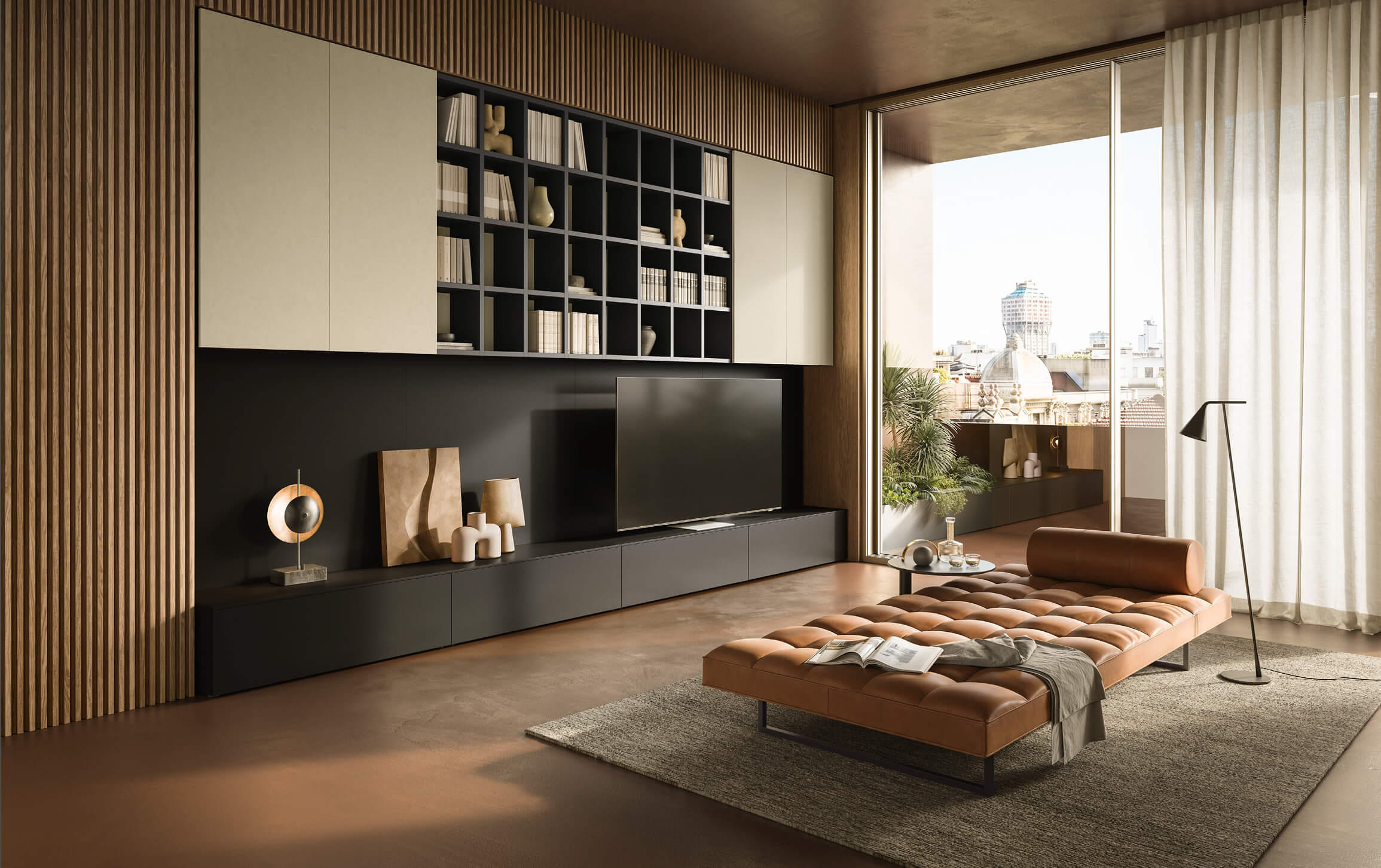
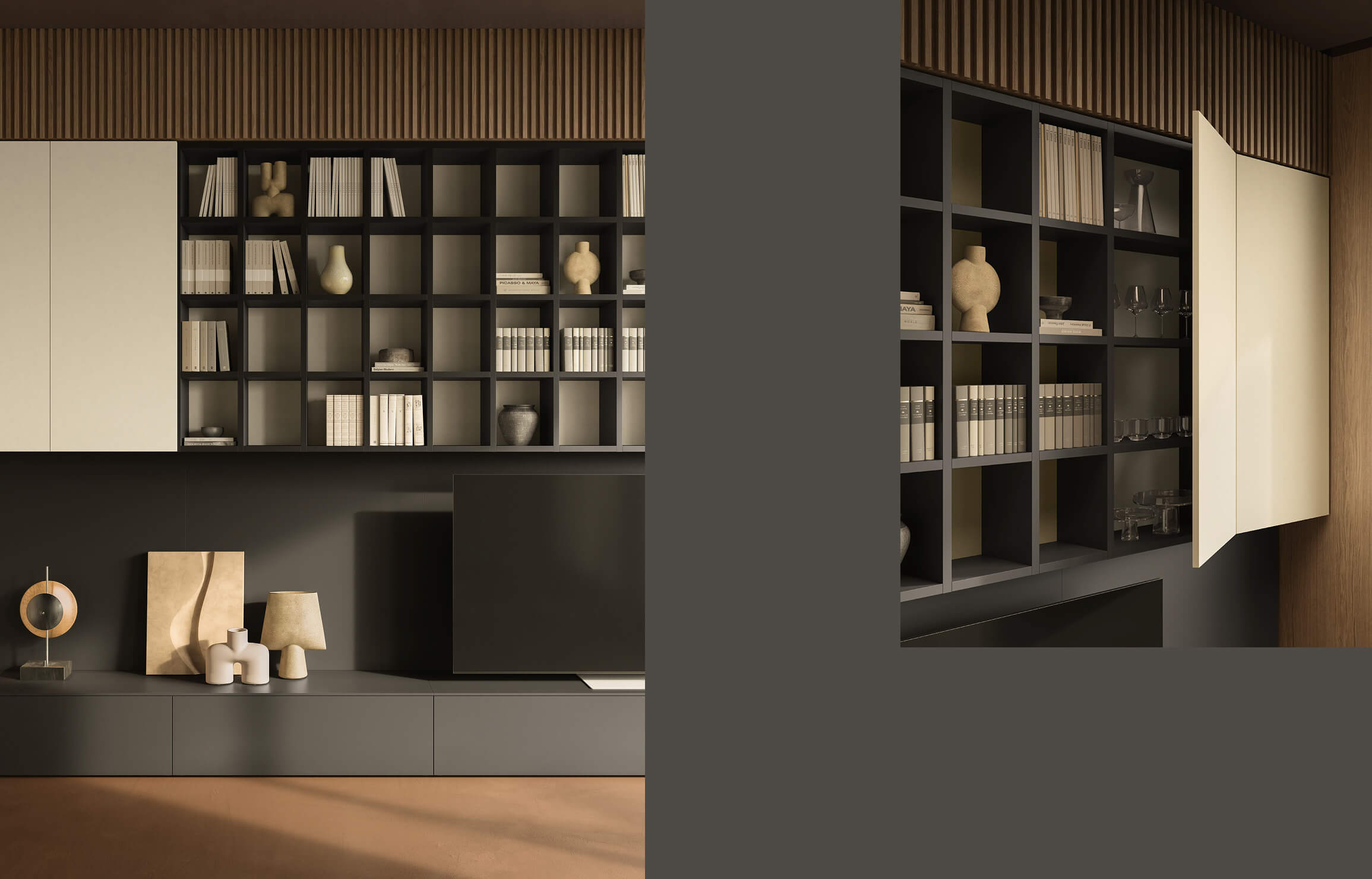
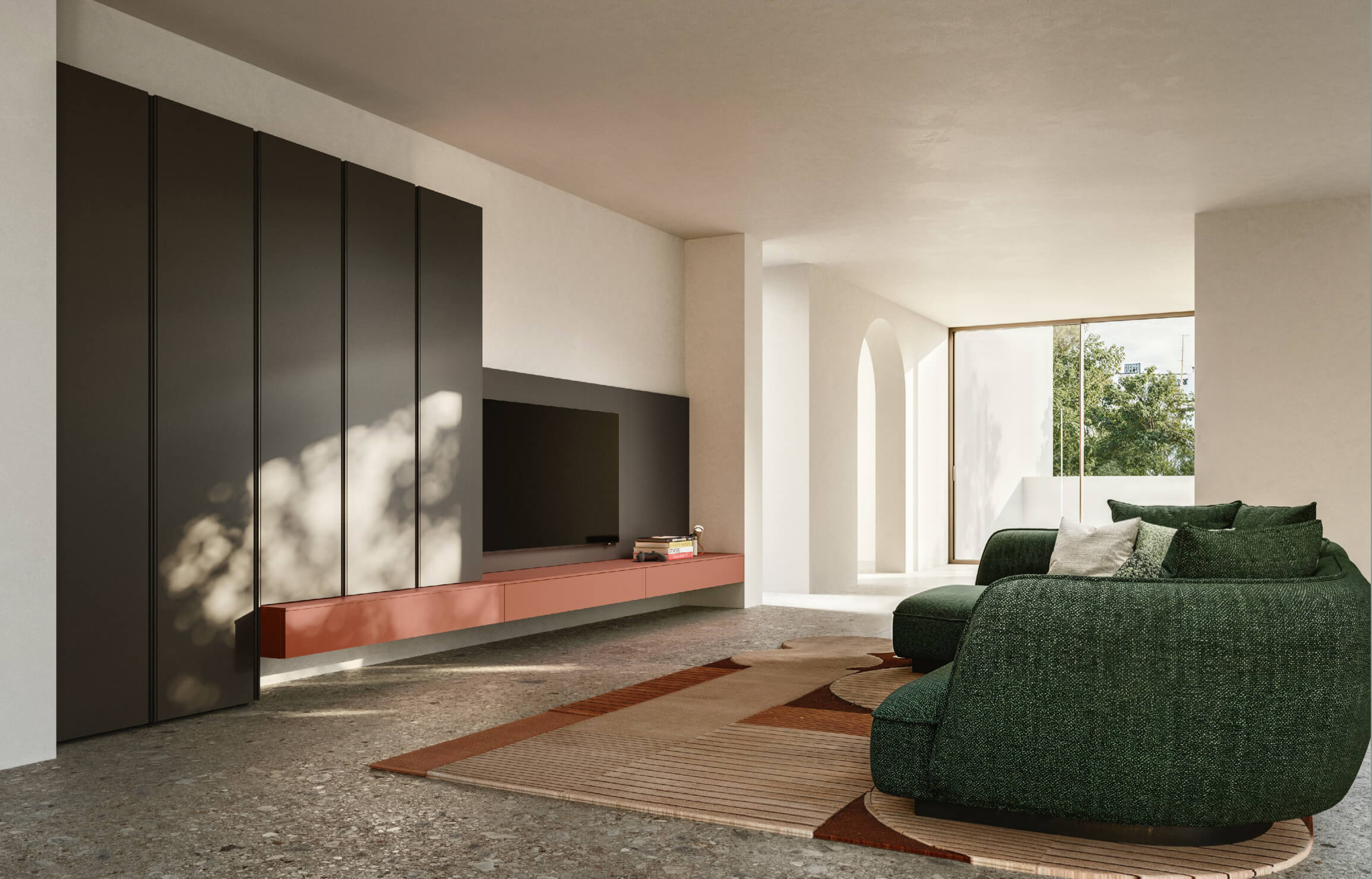
At its core is the SpaceMakers vision – transversality, spatiality, and versatility – which considers furniture as part of a broader system: elements designed to interact and transform while maintaining continuity. Onespace, Nesthome, Community represent three conditions of contemporary living where the Zalf system acts as an open, reconfigurable design grammar: adapting, evolving, sharing.

Case Study Spaces is therefore a design method: a way of thinking about domestic space as an open system, able to adapt while remaining coherent over time.
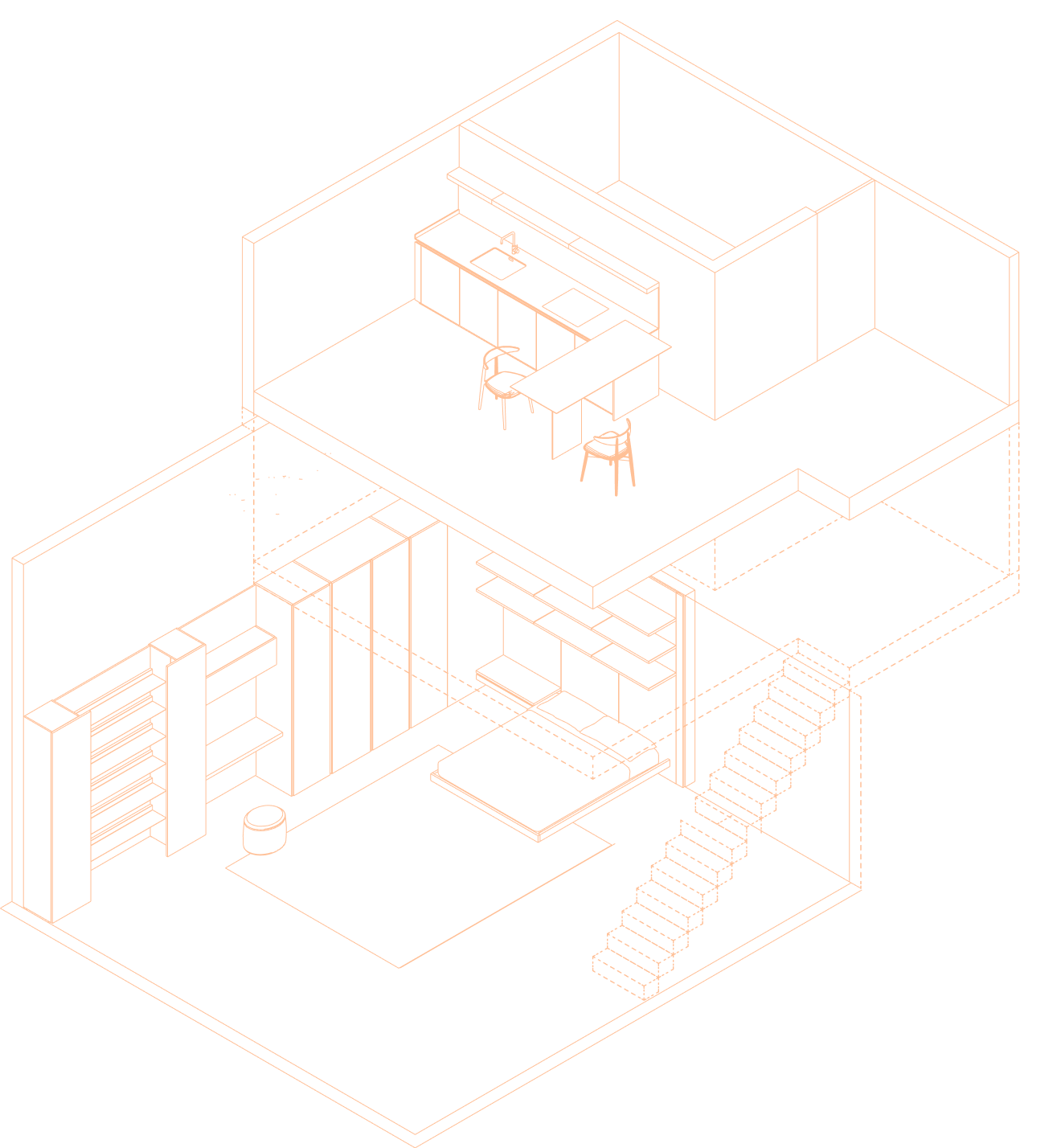
onespace

Onespace

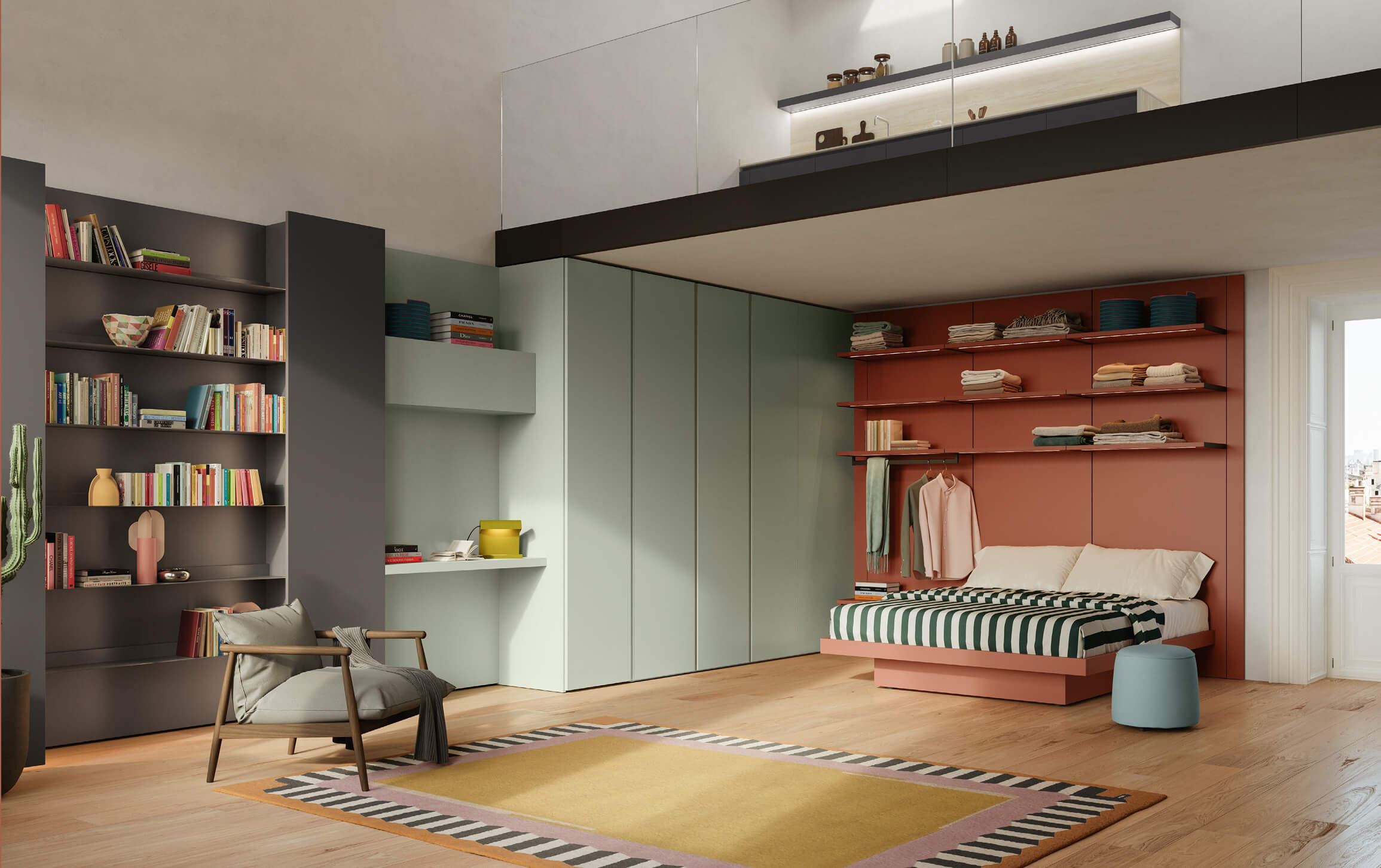
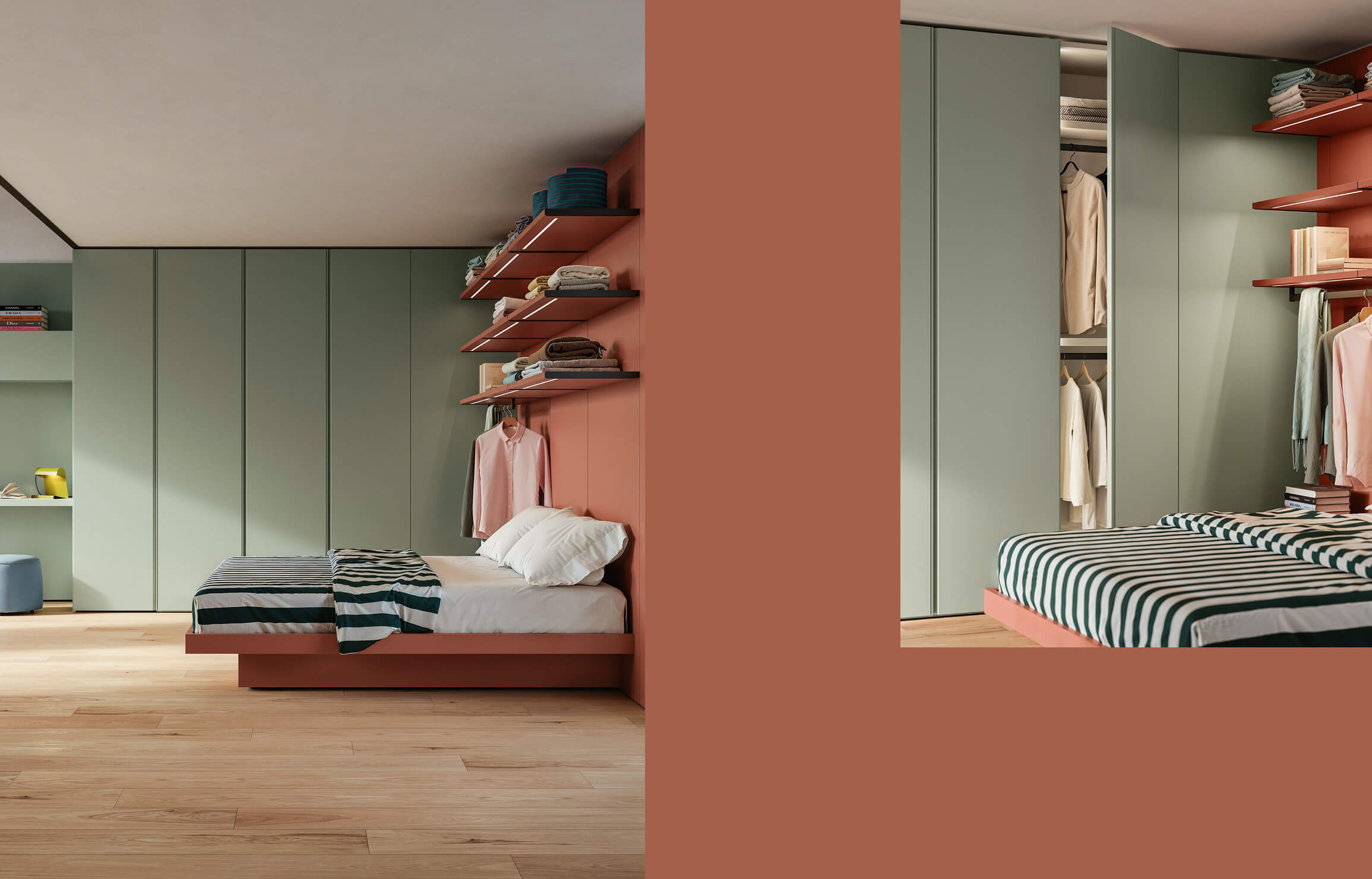
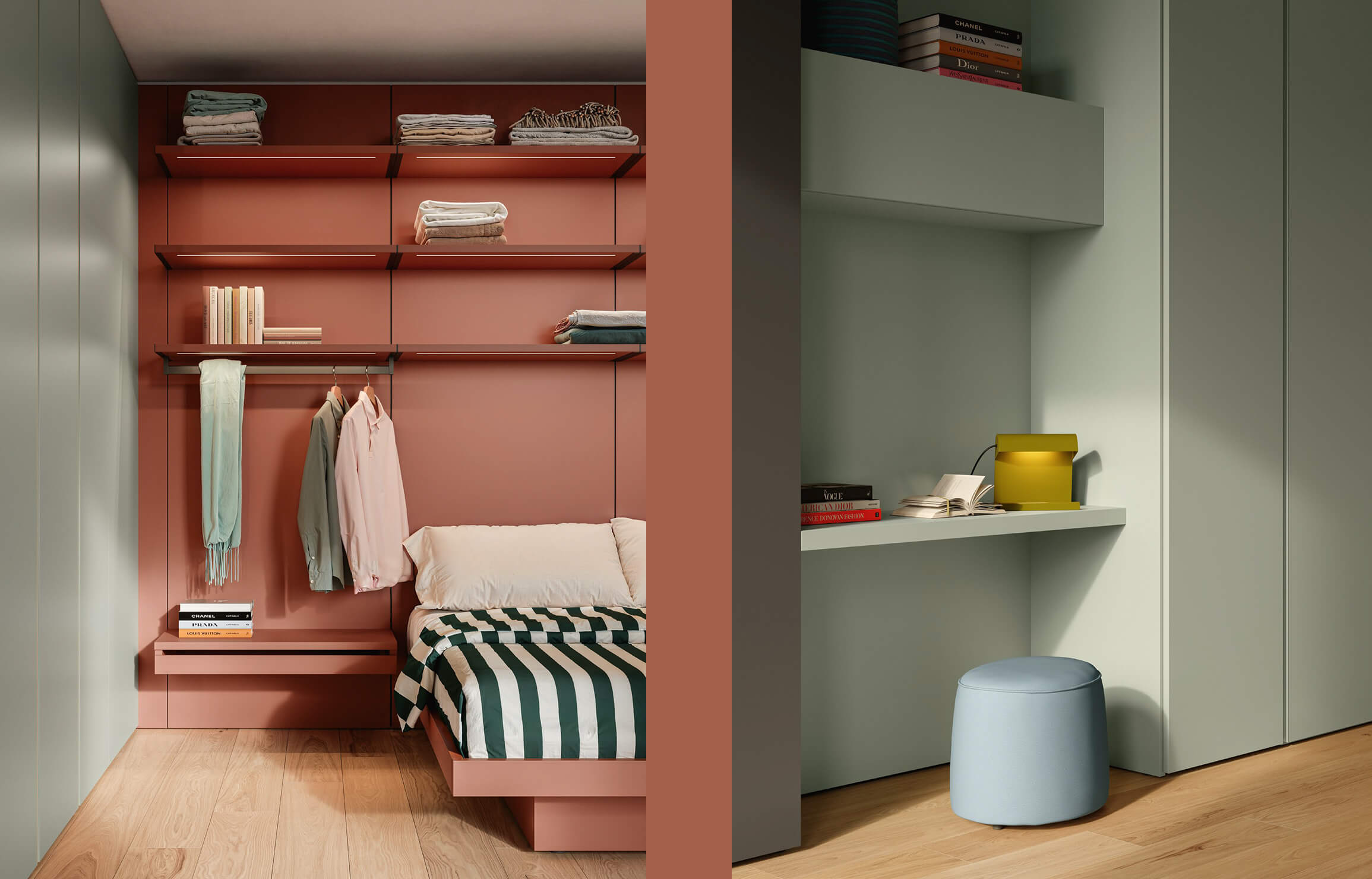
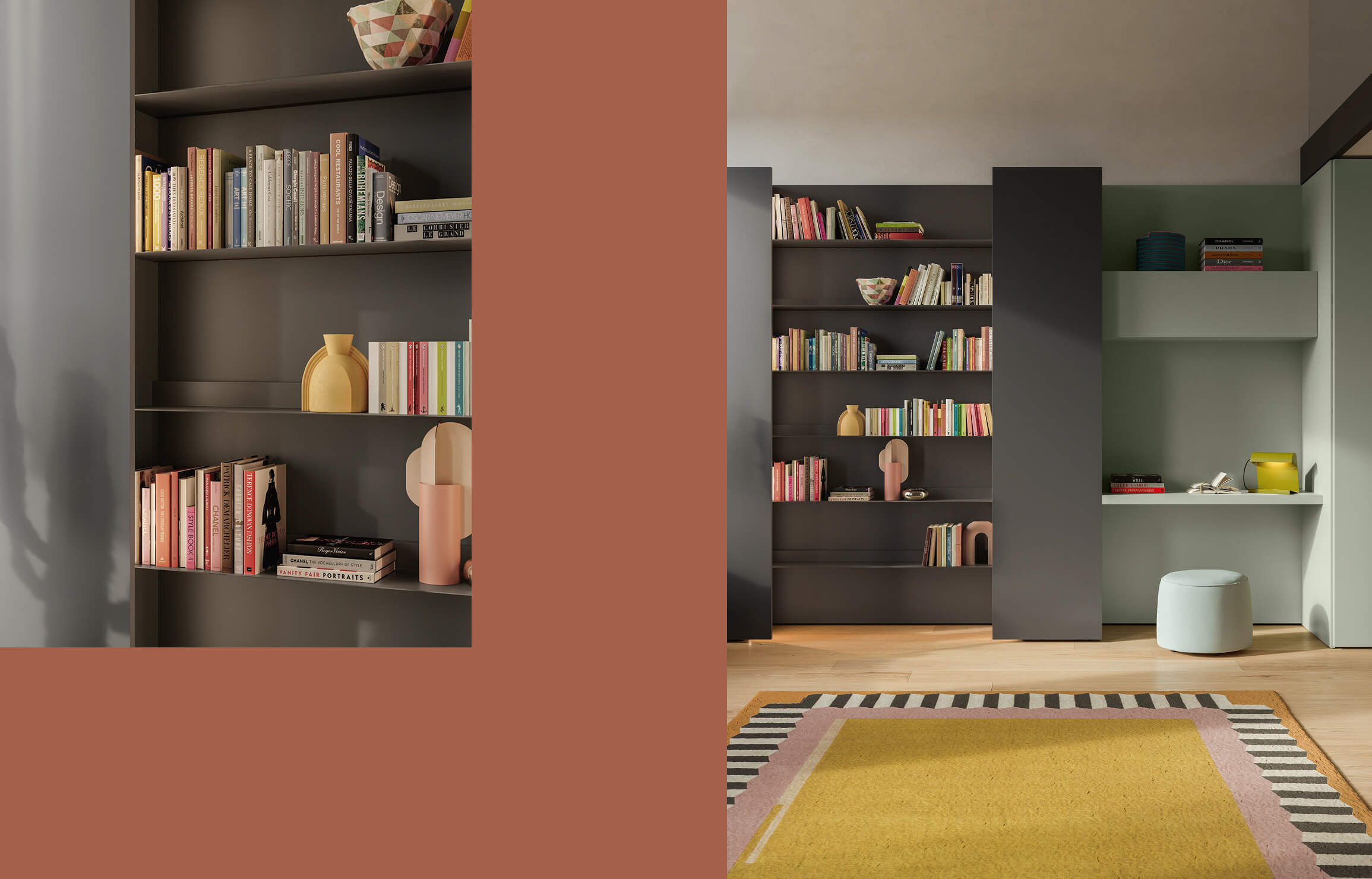
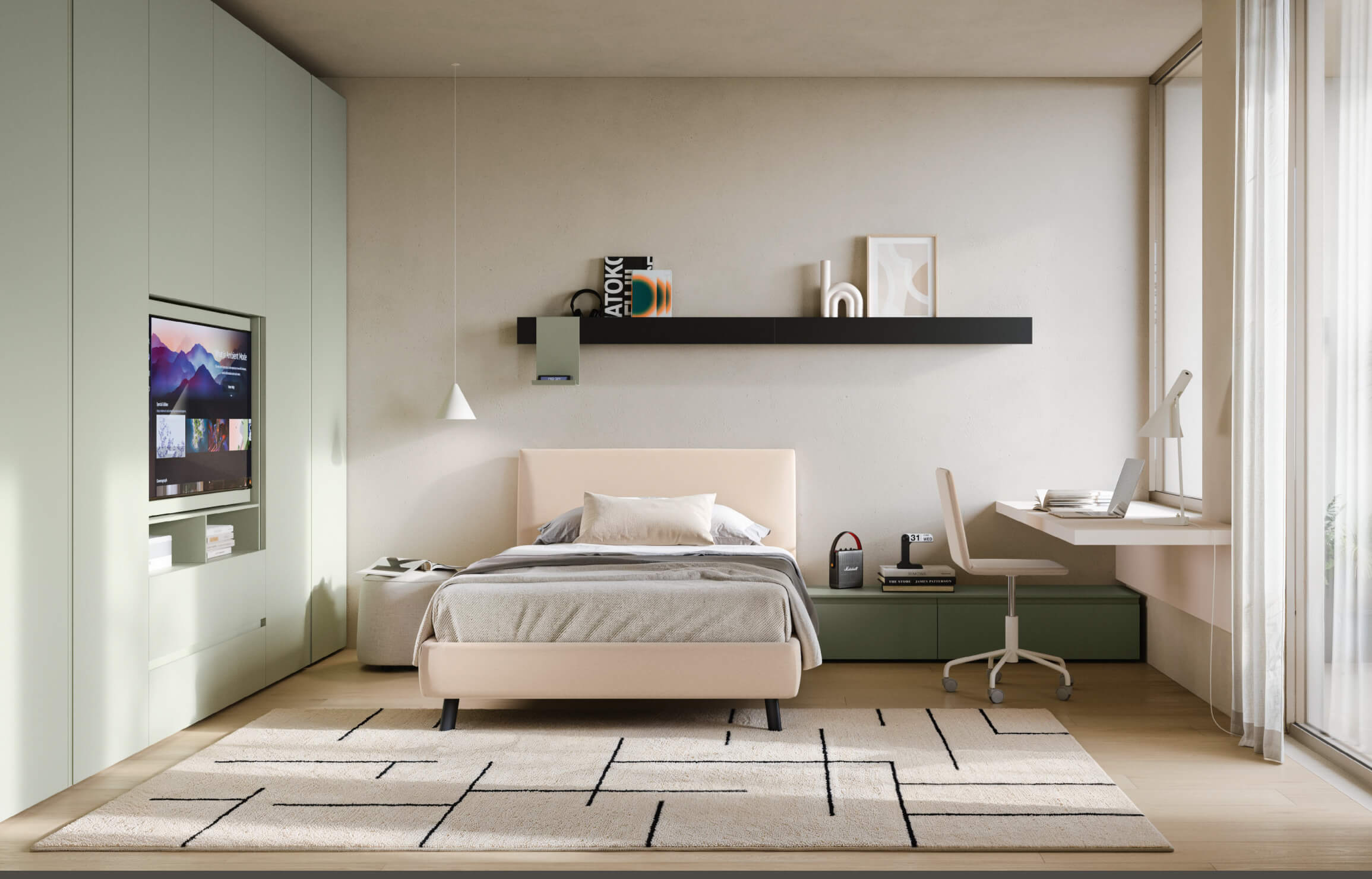
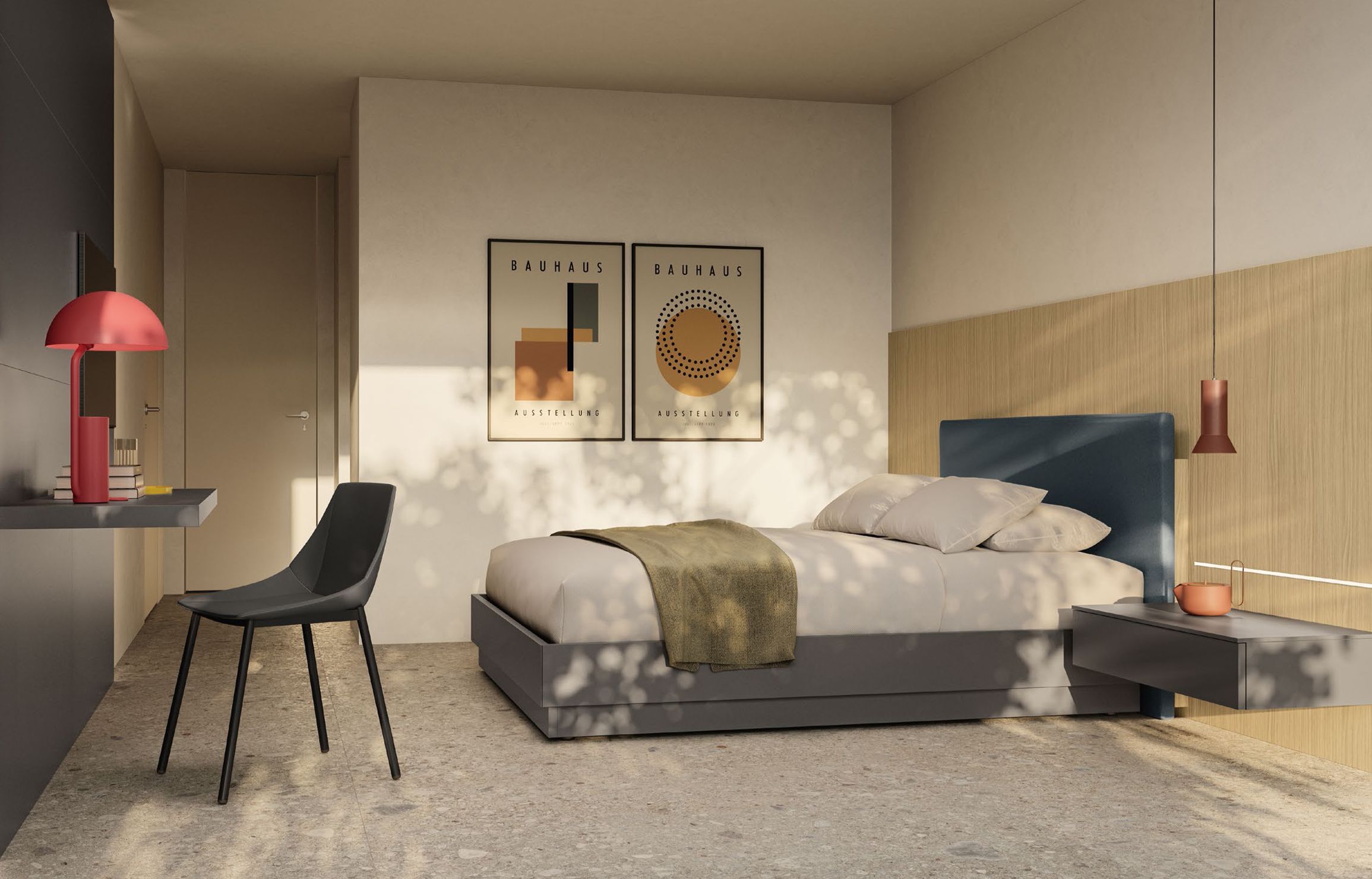
A compact space that interprets living as a continuously evolving system. Designed for studio flats and micro-apartments, it integrates different functions within a single fluid structure where living, working and resting coexist. Zalf systems create an adaptive environment that evolves over time without replacement, but through reconfiguration, maintaining coherence across elements and materials.

Nesthome

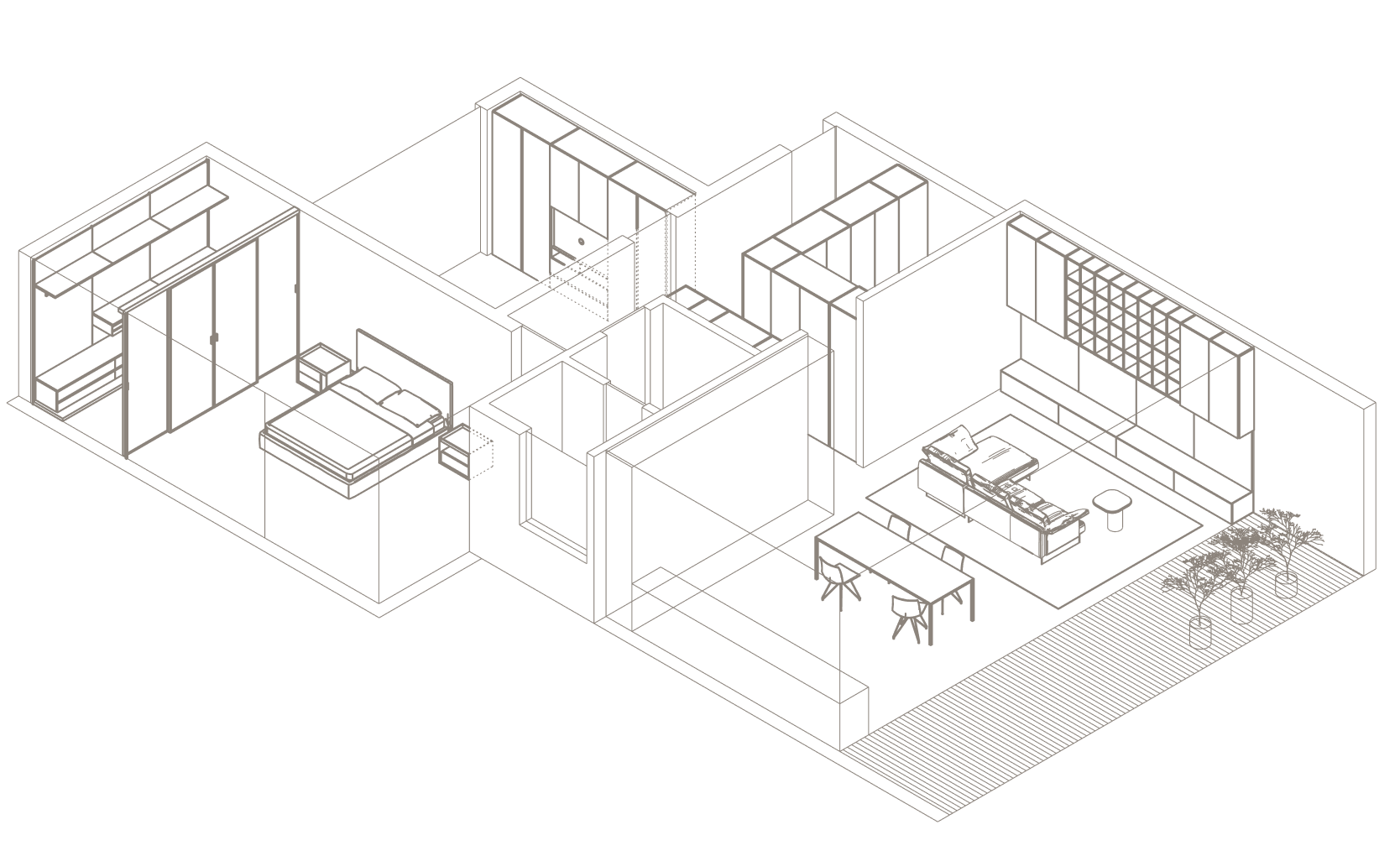
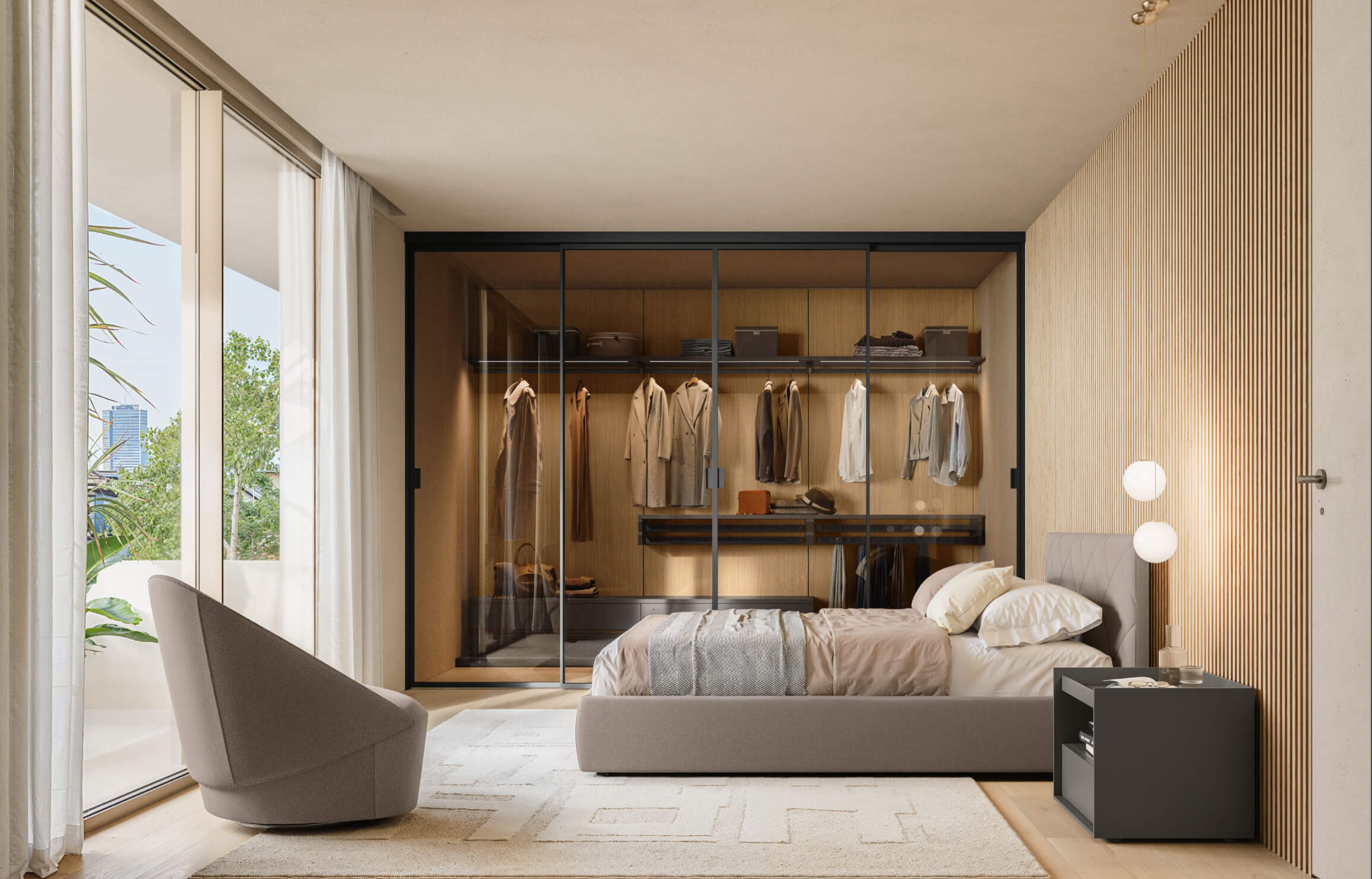
A space that describes a domestic setting designed to endure and evolve over time. Intended for family living, it organises distinct yet interconnected environments that accommodate changing needs without losing identity. Through Zalf systems, a strong design continuity takes shape, where elements integrate and transform, supporting the different phases of life.

nesthome
community

Community

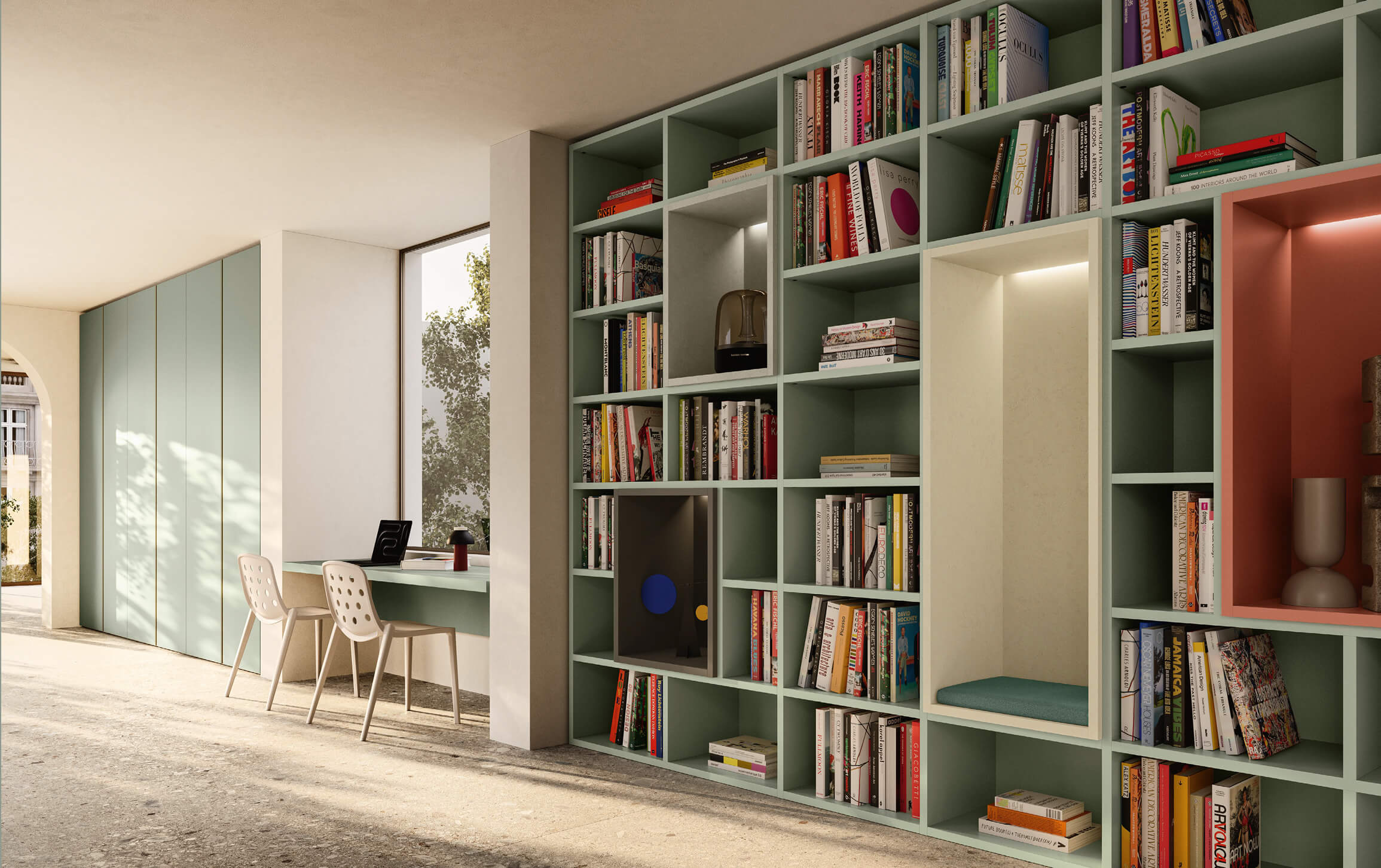
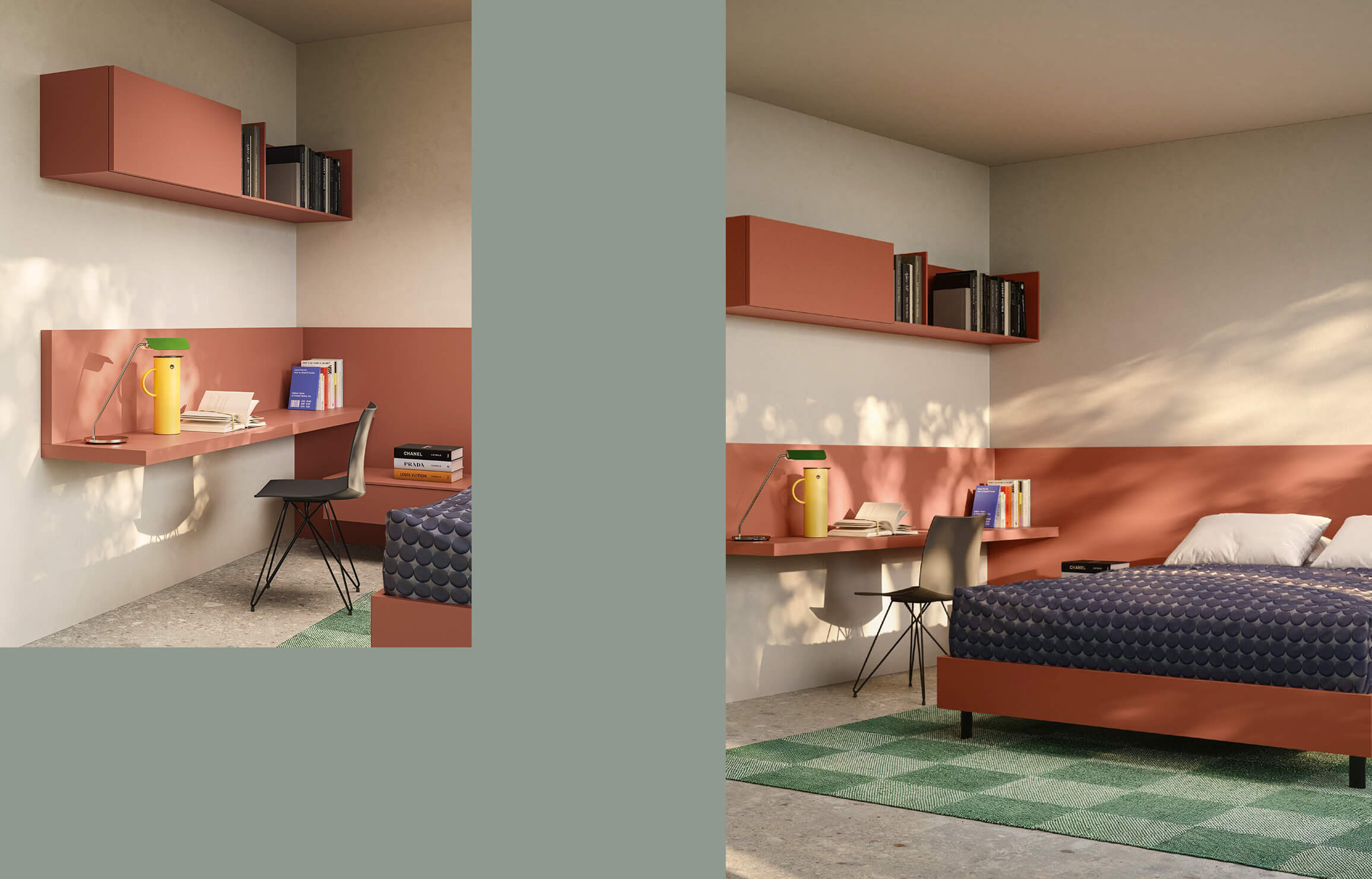
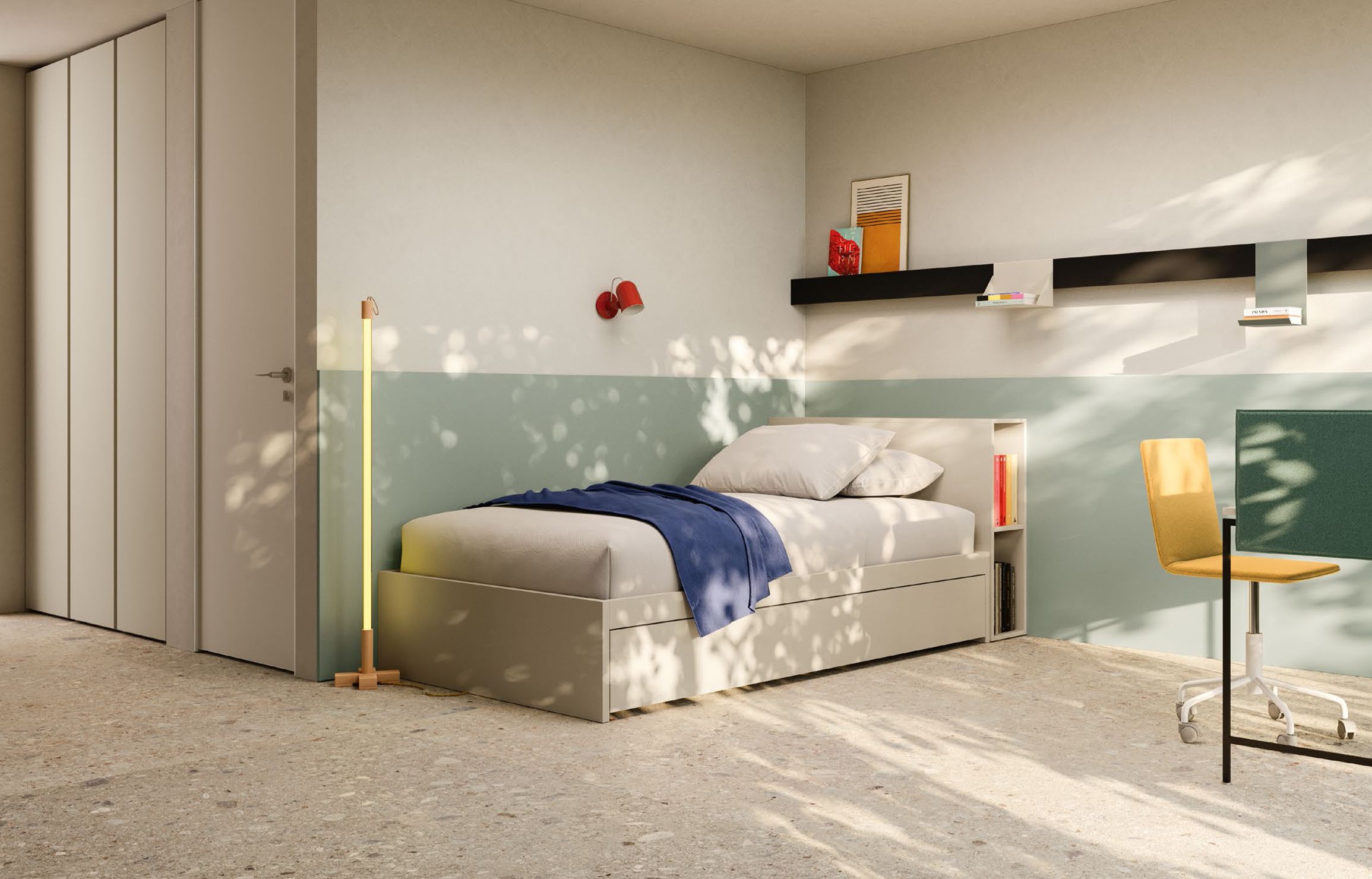
A space that interprets shared living as a structured relational system. Designed for co-housing and collective residences, it balances private rooms and shared spaces, encouraging both interaction and autonomy. Zalf systems define a flexible design grammar where functions overlap and evolve over time, adapting to temporary and constantly shifting living dynamics.